
BLOG
- Home
- Blog
- Silicone Rubber Introduction
- Silicone Manufacturing Explained: Processes, Applications, and 4 Tips for Choosing a Partner
Silicone Manufacturing Explained: Processes, Applications, and 4 Tips for Choosing a Partner
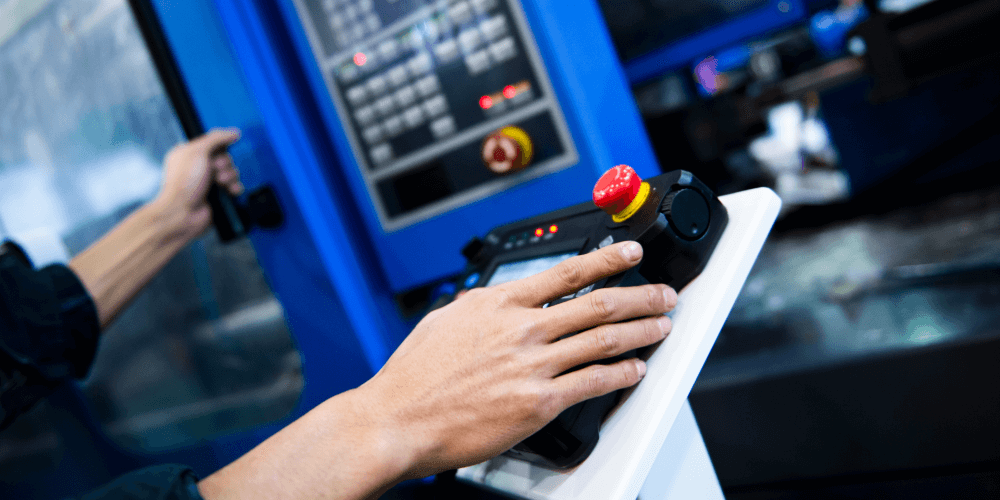
Over the past few decades, silicone manufacturing has become integral to daily life and industrial applications. Thanks to its exceptional heat, water, and chemical resistance, silicone rubber has expanded from consumer kitchenware to high-precision automotive components and medical devices. However, capability varies wildly across the market. How do you evaluate and choose the right partner? This guide analyzes core molding technologies and provides 4 practical criteria to help you select the ideal silicone manufacturer.
Common Silicone Molding Processes & Applications
When evaluating a silicone manufacturer, prioritize their OEM quality and technical scope. Molding methods, mold designs, and production equipment differ significantly by product type. An experienced manufacturer will recommend the optimal technology based on your product positioning. Here are the 5 mainstream silicone molding and multi-component technologies:
1. Compression Molding
Compression molding utilizes solid silicone rubber—the most common raw material. The solid compound is mixed, softened, and placed into a mold cavity, where heat and high pressure force the material to flow and cure (vulcanize).
- Advantages: Lower tooling and equipment costs with flexible processing environment requirements, making it the most widely used technique in silicone manufacturing.
- Applications: Ideal for high-volume components with simple geometries and larger dimensional tolerances. Examples include silicone baking molds, heat-resistant spatulas, food container seals, and conductive rubber keypads for remote controls.
〈Related Articles: Is compression molding recommended? Three directions to take you in-depth understanding.〉
2. Liquid Injection Molding (LSR/LIM)
Liquid Injection Molding (LSR/LIM) uses high-transparency, liquid silicone rubber. The fluid is injected into a closed mold and heated to cure. This process is heavily utilized for precision optical components and high-contact medical devices.
- Advantages: Fully automated, closed-loop production with minimal flash, ensuring high cleanliness and precision. LSR meets strict EU environmental standards (RoHS and REACH compliant), requires no added vulcanizing agents, is highly skin-friendly, and offers excellent biocompatibility.
- Applications: Medical respirator masks, infant bottle nipples, high-transparency optical lenses, and wearable device straps.
Because LSR injection molding involves higher technical thresholds, raw material costs, and tooling investments than compression molding, it generally requires high-volume production to amortize costs and lower unit prices. It is ideal for the automotive and medical sectors that demand high-precision components.
〈Related Articles: How liquid silicone rubber work on your demands?〉
3. Liquid Silicone Insert Molding
Insert molding bonds two or more dissimilar materials together. Typically, a rigid metal or plastic component acts as the substrate. After surface cleaning, precise primer application, and baking, the substrate is placed into the mold cavity, and soft liquid silicone is injected to tightly encapsulate it into a single, cohesive part.
- Advantages: Eliminates the need for chemical adhesives, providing superior sealing, waterproofing, and shock absorption. It significantly simplifies subsequent manual assembly, boosting production efficiency and reducing scrap costs.
- Applications: Perfect for composite products requiring both rigid structures and soft, non-slip, or waterproof surfaces. Examples include silicone-handled tableware and toothbrushes, automotive sensors and gears, moisture-proof overmolding for electronic panels, and silicone-grip kitchenware.
〈Related Articles: What is Insert Molding? Guide To Process And Design〉
4. Liquid Silicone Overmolding
Overmolding involves molding a soft liquid silicone layer directly over a pre-fabricated rigid plastic substrate. Unlike insert molding, this process does not rely on initial manual insert positioning. It focuses primarily on improving product grip, adding anti-slip features, enhancing outer protective structures, or upgrading surface aesthetics.
- Advantages: Maximizes design flexibility and surface finish quality for plastic products. It enables composite manufacturing on a single two-shot machine or within the same facility, eliminating manual assembly and driving up throughput.
- Applications: Best suited for products where ergonomics, tactile feel, or multi-material aesthetics matter most, such as tool handles, device grips, and consumer electronics enclosures.
5. Double Injection Molding (2-Shot Injection)
Double injection molding processes two different resins sequentially or simultaneously within a single molding cycle using a specialized multi-barrel injection machine and dedicated tooling. It leverages advanced mold rotation or core-shifting technologies (such as rotating platens, indexing cores, or sliding mechanisms) to produce multi-color or multi-durometer composite parts.
- Advantages: Deliver ultra-high repeatability and precision. It handles all composite requirements in a single operation, preventing downstream assembly errors and delays while maximizing design freedom and cosmetic refinement.
- Applications: Tailored for short cycle times, high volumes, or complex geometries requiring high-spec colors and textures. Examples include earbud sleeves, integrated gasket seals, multi-color toothbrushes, high-end automotive display bezels, smartphone cases, and intricate plastic gears.
Due to the specialized machinery and complex mold designs required, double injection molding demands higher upfront equipment and tooling investments. It is recommended for high-volume production or high-value precision parts.
〈Related Articles: What is dual-shot injection? An article understanding its principles and advantages〉
Choosing a Silicone OEM by Industry
Your choice of silicone manufacturing process depends on your product's operating environment and regulatory compliance. The Glory Sun team has categorized three common industrial scenarios to guide your selection:
1. Consumer Kitchenware, Houseware & Standard Seals
These products generally have simple, single-color structures. Key priorities are manufacturing efficiency, competitive pricing, and certified non-toxic material safety.
- Process Recommendation: Solid Compression Molding. This approach minimizes upfront tooling investments. Glory Sun is ISO 14001 certified and maintains long-term partnerships with top-tier global material suppliers like Shin-Etsu (Japan) and DOWSIL (USA). We provide full material traceability and physical property reports, ensuring all consumer products comply with strict non-toxic and environmental regulations.
〈Related Articles: What is Food Grade Silicone? A Guide to Safety and Applications〉
〈Related Articles: Applications of Liquid Silicone Rubber Injection Molding in smart clothing〉
2. Medical Devices & Infant Care Products
These parts often feature intricate micro-geometries and thin-wall designs. Because they directly contact the human body or are implanted, they require cleanroom production and exceptional dimensional accuracy to meet strict biocompatibility standards.
- Process Recommendation: Liquid Injection Molding (LSR). Fully automated, closed-loop systems deliver flashless production, high yields, and pure formulations free of chemical vulcanizing agents. Deeply rooted in the medical sector, Glory Sun is ISO 13485 certified. We manage every core stage—from initial consultation to final delivery—to satisfy the stringent purity and precision needs of medical and infant products.
〈Related Articles: Medical Grade Silicone: Definition, Applications, and Benefits〉
3. Automotive Components, Electronic Waterproofing & Industrial Equipment
These parts must withstand extreme industrial conditions, including high pressure, severe thermal cycling, and heavy vibration. Designs usually require soft silicone to be permanently bonded to metal or plastic substrates without relying on adhesives that degrade over time. Tight dimensional tolerances, weatherability, and impact resistance are critical.
- Process Recommendation: Composite Processes (Insert Molding / 2-Shot Molding). These advanced multi-material techniques create perfect waterproof seals and high structural rigidity. Glory Sun is IATF 16949 certified. As a trusted long-term supplier to tier-1 automotive brands (Ford, VW) and global medical/electronics giants (Medline, OMRON), we deliver robust engineering solutions for heavy-duty sealing and dampening needs.
〈Related Articles: What is IATF 16949? The Ultimate Entry Ticket to the Global Automotive Supply Chain〉
〈Related Articles: Comprehensive Guide to Silicone Gaskets: Material Properties, Applications, and Design Essentials〉
Our 6-Step Silicone Development Process
Glory Sun utilizes a standardized six-step development framework to support your project, regardless of your team's familiarity with silicone manufacturing:
Step 1: Design Consultation
Submit your 2D or 3D engineering files (CAD, STP, STEP, IGS). Our engineering team performs a Design for Manufacturability (DFM) review to evaluate draft angles, parting line placements, and geometric feasibility—mitigating future tool modification risks. For early-stage startups without completed CAD drawings, simply share your product concept, intended application, and estimated volume, and we will recommend the best process.
Step 2: Quoting & Material Selection
Given silicone's versatile material properties, we recommend the ideal compound formulation based on your product's operating environment—accounting for temperature limits, durometer (hardness), color matching, and specialized traits (oil resistance, conductivity, medical-grade, or food-grade compliance). We then provide itemized quotes covering sample tooling, production tooling, and per-part pricing.
Step 3: Prototype Tooling & Sampling
Upon quote approval and deposit confirmation, we develop prototype (sample) tooling before moving to mass production to eliminate costly modifications down the road. We deliver initial samples to your team for cosmetic verification, dimensional audits, assembly checks, and tensile testing to ensure full spec compliance.
Step 4: Production Tooling Development
Once the initial samples are approved, we launch the development of high-cavitation production tooling. We actively optimize tool dimensions based on exact silicone shrink rates and implement venting designs to prevent air trapping, systematically lowering defect rates from the tooling stage onward to meet your lead times.
Step 5: In-House Mass Production & Post-Processing
With tooling approved, mass production begins. All post-processing steps—including deflashing, coating, pad printing, post-curing (secondary baking), and sub-assembly—are executed entirely in-house to maintain strict quality control and intellectual property protection.
Step 6: Quality Assurance & Shipping
Prior to shipment, we use specialized inspection systems, including electrical testing and automated optical inspection (CCD), to filter out flash, contamination, or defects, ensuring flawless delivery to your facility.
4 Key Criteria to Evaluate a Silicone Manufacturer
Review these 4 core capabilities when auditing a silicone vendor's website or during consultations to guarantee project quality and stable yields:
1. In-House Mold Design Expertise
Tooling design is the foundational step in silicone OEM services, dictating the timeline for prototyping, sampling, and modifications. High-quality tooling is a prerequisite for flawless parts. This requires deep engineering knowledge and extensive troubleshooting experience. Ask prospective vendors: "How long have you been engineering silicone tooling?" "Do you have a dedicated in-house mold department?" "Do you operate an internal metrology lab for high-precision dimensional verification?"
2. Equipment Versatility and Production Capacity
Silicone production requires a diverse range of specialized machinery, including compounding mills, post-curing ovens, compression presses, liquid injection molding machines, spray booths, pad printers, and finishing grinders. Evaluating the variety and volume of a factory’s machinery inventory provides clear insight into their production capacity and technical capabilities.
〈Related Articles: How to Choose a High-Quality Silicone Manufacturer? 4 Key Evaluation Factors + A Complete Guide to the Collaboration Process〉
3. Team Experience and Industry Longevity
Advanced machinery is only as good as its operators. A professional silicone manufacturer should have distinct, collaborative teams: Mold Design, Engineering/Testing, Production, and Quality Control. Vendor longevity proves resilience and adaptability through market cycles, reflecting reliable production expertise.
Additionally, examine their core target industries. Manufacturers serving the automotive and electronics sectors excel at tight-tolerance, high-precision work and typically possess advanced metrology systems. Those serving medical and food sectors will have cleanroom facilities and verified environmental certifications.
4. Full-Spectrum Manufacturing Capabilities
Complex silicone parts (such as multi-color waterproof keypads or overmolded handles) frequently require multiple processes, like die-cutting, overmolding, and two-shot injection. For parts requiring cross-process steps, choose a single vendor capable of handling all composite steps in one facility. This prevents design conflicts, minimizes manual assembly errors, and ensures strict product consistency.
〈Related Articles: Key Elements of Waterproof Design! Material, Characteristics, and Applications of Rubber Grommets〉
Why Partner with Glory Sun?
Technical depth and supply chain resilience are critical when selecting a silicone manufacturing partner. Glory Sun has anchored the conductive rubber and silicone industry for over 30 years. Evolving from a traditional rubber mold shop into a global contract manufacturer equipped with advanced automation, we offer resource integration through three core strengths:
1. Trusted by Global Brands
Glory Sun is an approved silicone rubber supplier for tier-1 multinational brands including Ford, VW, Medline, and OMRON. Our quality systems are proven under the most rigorous global supply chain standards. To shield customers from raw material price volatility, we maintain long-term partnerships with leading global chemical producers, including Shin-Etsu, DOWSIL, and Wacker, securing traceable, high-grade custom compounds.
2. Four Major International Certifications
We focus on the high-spec automotive, medical, and electronic equipment markets, where tight tolerances are mandatory. Our facilities are certified to ISO 9001, ISO 14001, ISO 13485 (Medical Devices), and IATF 16949 (Automotive). Whether your project requires high-purity medical LSR parts or tight-tolerance automotive waterproof seals, our certifications back our technical execution.
3. Vertical Integration: 100% In-House Production
With our roots in toolmaking and our modern, high-precision testing laboratories, Glory Sun operates through four dedicated divisions: Sales, Mold & Engineering, Production, and Quality Control. We manage the entire lifecycle under one roof—from tool building and compounding to molding, post-processing, and final assembly. Because we never outsource, we maintain full accountability, protect your intellectual property, and deliver a reliable one-stop service.
Conclusion
Every silicone manufacturer claims to be professional. To evaluate them objectively, focus on three pillars: baseline OEM quality, engineering team experience, and process versatility. Glory Sun excels across all three metrics. Our advanced facility provides the capacity needed for high-volume production, while our 30 years of engineering expertise enables us to handle specialized, low-volume custom projects. We are dedicated to delivering the ideal manufacturing solution. Contact us today to discuss your project requirements.

GSUN
GSUN has over 30 years of experience in silicone manufacturing, offering advanced technology and fully integrated in-house production from tooling to delivery. Serving automotive, medical, and industrial sectors, GSUN is ISO-certified and committed to delivering high-quality solutions and industry leadership.
Article Classification
Recent Articles
- What You Should Know About Silicone Rubber
- What Is Eco-Friendly Silicone? Pros, Cons, Uses & Recycling
- How to choose between TPE and Silicone Rubber? Find out their respective characteristics!
- Silicone Manufacturing Explained: Processes, Applications, and 4 Tips for Choosing a Partner
- What Is Silicone Rubber? A Guide to Types, Common Applications, and Custom Processing