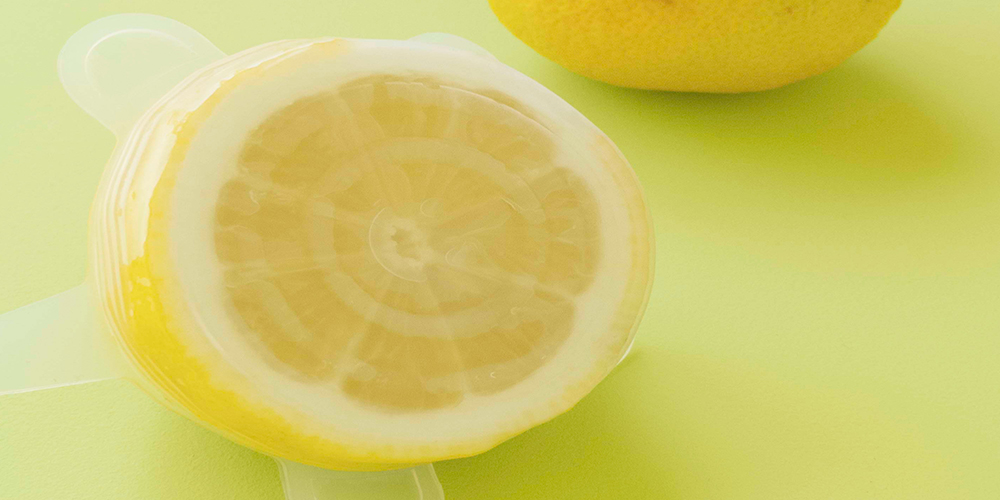
As the issue of food safety has received more and more attention, and the epidemic has greatly changed people's eating habits. Therefore, silicone environmentally friendly tableware packaging bags have appeared in the market to replace disposable plastic products. Although we have been emphasizing the non-toxic and safe characteristics of silicone in the previous articles, different ingredients will be used for production according to specific product uses, and the relevant certification procedures will be left. Today, let's talk about the difference betweenfood grade silicone and ordinary siliconeand how to tell whether the silicone is food grade or not.
〈Related Articles: Medical Grade Silicone: Definition, Applications, and Benefits〉
What is Food Grade Silicone Rubber?
Does food grade silicone mean edible? Of course not! To emphasize a concept again, silicone is indeed a safe, non-toxic, and harmless raw material in general. Even so, it can be divided into food grade and ordinary grade. Food grade silicone generally refers to all products that come into contact with our diet, such as baby pacifiers, straws, food containers, tableware, etc. Ordinary grade silicone is generally used for industrial purposes and cannot be applied to such food-related products.
〈Related Articles: How the silicone industry achieve net-zero carbon emissions goals〉
What is the Difference Between Food Grade and OrdinarySilicone?
Manufacturing procedure
Food grade silicone is generally made from imported raw materials, and the quality is determined right from the selection of these materials. Therefore, relevant quality inspection reports are essential when purchasing raw materials. This does not mean that regular silicone is of poor quality; rather, it indicates that the two types are used in different applications. Regular silicone products are made using standard silicone blending production, while higher-quality food grade products are made from food-grade fumed silica. We know that silica dioxide is one of the main components of silicone, and fumed silica has a higher purity and density compared to regular silica dioxide. As a result, the finished product will differ slightly, particularly in terms of tensile strength. Food grade silicone has a reinforcing effect on its tensile properties, preventing the appearance of whitening during stretching. Therefore, a simple way to identify food grade silicone products is by examining this characteristic.
〈Related Articles: Production Management〉
〈Related Articles: What's the Difference Between Silicone & Latex〉
Ingredient
Food grade silicone is an inorganic polymer colloid material formed by polycondensation of silicic acid. It is non-toxic, tasteless, and has stable chemical properties. Except for caustic alkali and hydrofluoric acid, it does not react with any acid and alkali salts under normal conditions. It can withstand a high temperature of 220 ℃, so it can be used in a microwave oven without any effect on the human body. Compared with other materials, it has safer and healthier characteristics. Food grade silicone has strong stability properties and is more in line with the requirements of a healthy and safe life.
〈Related Articles: High-Temperature Silicone: Characteristics, Applications, and Buying Guide〉
Certification
Food grade silicone commodities are silicone products made from food grade silicone rubber raw materials. According to market demand, it needs to meet the environmental testing requirements of NSF, FDA, RoSH, REACH, and so on.
What is FDA?
FDA is the English abbreviation of U.S. Food and Drug Administration. It is an international medical review authority, authorized by the U.S. Congress, the federal government, and the highest law enforcement agency specializing in food and drug management. The FDA is a monitoring agency of government health regulation composed of professionals such as doctors, lawyers, microbiologists, pharmacologists, chemists, and statisticians dedicated to protecting, promoting, and enhancing the nation's health. Foods, drugs, cosmetics, and medical devices certified by the FDA are safe and effective for the human body. In nearly 100 countries including the United States, only FDA-approved materials, devices, and technologies can be used for commercial clinical applications.
〈Related Articles: Is Silicone Toxic? A Comprehensive Analysis of Silicone Safety 〉
〈Related Articles: What is IATF 16949? The Ultimate Entry Ticket to the Global Automotive Supply Chain〉
The Application of Food Grade Silicone Rubber
Tableware
Food grade silicone is a kind of environmentally friendly silicone, non-toxic, odorless, and highly transparent. It is suitable for environmentally friendly lunch boxes, tableware, bags, and straws for food contact.
Baking and cooking utensils
Food grade silicone is soft, elastic, kink-resistant, and maintains its shape without deformation or cracking. It offers a long service life and is resistant to both high and low temperatures, making it ideal for use in food molds, such as chocolate and candy molds, as well as kitchen utensils like spatulas and tongs.
Baby products
Food grade silicone will not turn yellow when placed at room temperature, will not be sprayed with frost, will not spit white, will not fade, will not be scaled in water for a long time, and has no peculiar smell. Commonly used baby pacifiers and breast milkers are made of food grade silicone.
Glory Sun Group | A Leading Silicone Product Manufacturer with 30+ Years of Expertise
With over 30 years of expertise, Glory Sun Group (GSUN) is a premier silicone rubber manufacturer specializing in total solutions for the automotive, medical, and industrial sectors. Operating advanced facilities in Kunshan, Taiwan, and our newly launched Anhui plant, we ensure seamless in-house production from tooling to final shipment. Our commitment to excellence is backed by ISO 13485, IATF 16949, and ISO 9001 certifications. By integrating premium raw materials from partners like Shin-Etsu, GSUN delivers highly reliable medical grade silicone components, LSR parts, and precision keypads designed to meet the strictest global standards.
〈Related Articles:How to Choose a High-Quality Silicone Manufacturer? 4 Key Evaluation Factors + A Complete Guide to the Collaboration Process〉
FAQs About Food Grade Silicone
1. How does food grade silicone react to oily or acidic foods?
Food grade silicone is chemically inert and does not react with oils or acids. It won't leach chemicals or absorb odors, ensuring food flavors and safety remain intact.
2. What is the difference between Peroxide-cured and Platinum-cured silicone?
Platinum-curing is the premium method; it is odorless, produces zero toxic by-products, and offers better clarity and aging resistance than peroxide-curing, making it ideal for high-end medical and food use.
3. Is food grade silicone naturally anti-bacterial?
Its non-porous surface prevents bacteria and mold from taking root. This makes food grade silicone much easier to sanitize than wood or plastic, meeting strict hygiene standards.
4. Can food grade silicone be sterilized in a dishwasher or boiling water?
Yes. With a thermal stability of -40°C to 220°C, it can withstand repeated boiling and high-temperature dishwashing without deforming, hardening, or releasing harmful substances.
5. Does food grade silicone lose its shape under heavy pressure or vacuum?
No. High-quality silicone has excellent compression set resistance. It quickly returns to its original shape after pressure is released, ensuring reliable sealing in industrial food machinery.
Conclusion
In an era of heightened food safety awareness, food grade silicone has gained widespread use in eco-friendly tableware, baking molds, baby products, and more, thanks to its non-toxic nature, high-temperature resistance (-40°C to 220°C), and chemical stability. Unlike regular silicone, food grade silicone uses fumed silica as raw material and is certified by international standards such as FDA and NSF to ensure safety in food contact. Consumers can identify food grade silicone by features like "stretching without whitening" and "no pungent odor." At GSUN, we offer professional silicone material development and provide food grade silicone solutions that meet international standards, helping you create safe and reliable products. Contact us now for expert advice and customized services!
〈Related Articles: What is eco-friendly silicone? An analysis of its 4 key material advantages and applications! 〉
〈Related Articles: Applications of Liquid Silicone Rubber Injection Molding in smart clothing〉