
BLOG
- Home
- Blog
- Liquid Silicone Rubber
- What is Insert Molding? Guide To Process And Design
What is Insert Molding? Guide To Process And Design
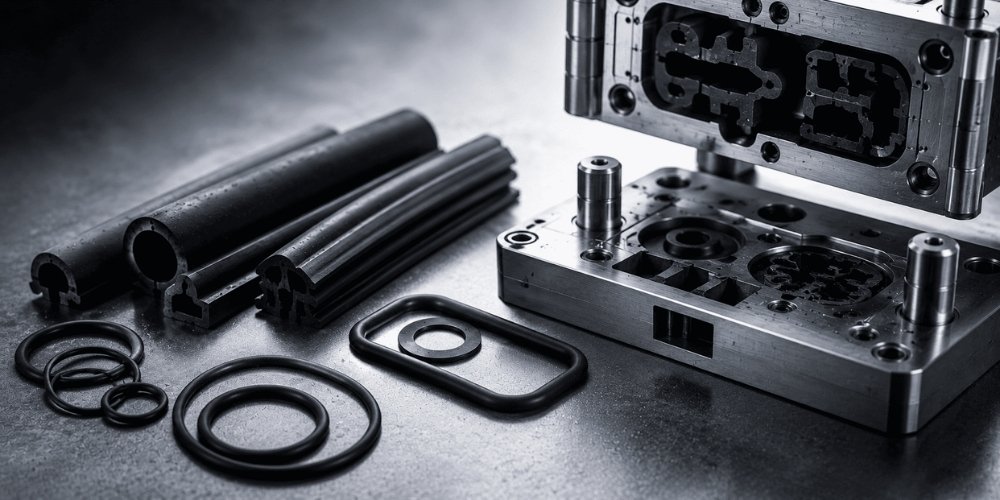
As product designs continue to evolve toward higher integration, greater precision, and lower assembly costs, the demands for structural stability and protection levels in electronic components, automotive parts, and industrial products continue to increase. Traditional fastening methods such as screws, adhesives, or secondary assembly processes are gradually becoming insufficient in terms of efficiency and reliability to meet modern manufacturing requirements. As a result, Insert Molding has become one of the key manufacturing processes for integrating metal and silicone materials. This article explains its basic principles, manufacturing process, material selection, application areas, and key development considerations, helping readers understand the value of this technology in product design and development.
〈Extended reading: What Is Silicone Rubber? A Guide to Types, Common Applications, and Custom Processing〉
What Is Insert Molding?
Basic Principle of Insert Molding
Insert Molding is a manufacturing process in which metal parts, nuts, terminals, or electronic functional inserts are pre-positioned within a mold cavity and then encapsulated with Liquid Silicone Rubber (LSR) through an injection molding process. During vulcanization, the silicone forms a permanent bond with the insert, creating an integrated component.
The core concept of this technology is the combination of metal structures and silicone sealing into a single molded part, rather than relying on traditional post-assembly methods. Through material encapsulation and mechanical interlocking design, Insert Molding can simultaneously provide structural fixation and environmental sealing performance.
Insert Molding Process Flow
The Insert Molding process typically begins with insert preparation. After confirming the specifications of metal or electronic inserts according to the product design, the inserts are placed into the mold manually or through automated equipment.
Once the inserts are securely positioned within the designated mold locations, Liquid Silicone Rubber (LSR) is injected to fully encapsulate the insert structure. The molded part then undergoes heat curing (vulcanization), allowing the silicone to solidify and achieve its final properties. After curing, the component is demolded and subjected to visual inspection, dimensional measurement, and functional testing.
Throughout the entire manufacturing process, insert positioning accuracy and injection molding parameter control are critical factors that directly affect product quality and yield.
Why Is Insert Molding Widely Adopted in Manufacturing?
As products continue to evolve toward miniaturization and higher functional integration, traditional multi-component assembly methods often struggle to meet modern requirements for efficiency and reliability.
Insert Molding integrates structural support, sealing performance, and functional components into a single molding process, significantly reducing the need for screws, adhesives, and manual assembly operations. In addition, its high level of automation minimizes human error and improves production consistency, making it particularly suitable for automotive electronics, industrial control modules, and other high-reliability electronic products.
Can Insert Molding Be Used with Silicone Materials?
Insert Molding is highly compatible with Liquid Silicone Rubber (LSR), especially in applications requiring waterproofing, dust protection, and long-term sealing performance.
LSR offers excellent resistance to extreme temperatures (typically from -50°C to 200°C), outstanding elastic recovery, and long-term compression stability. These characteristics enable it to maintain effective sealing performance even under continuous deformation and changing environmental conditions.
In addition, silicone provides excellent chemical stability and is highly resistant to aging and cracking. As a result, it is widely used in electronic seals, automotive sensors, waterproof connectors, and medical-grade components. In Insert Molding applications, LSR can directly encapsulate metal inserts, creating an integrated structure that combines reliable sealing performance with secure mechanical retention in a single manufacturing process.
〈Extended reading: Mastering EPDM Rubber: A Complete Guide to Applications, Material Grades, and B2B Solutions〉
What Is the Difference Between Insert Molding and Traditional Assembly Methods?
Common Challenges of Traditional Assembly Processes
Traditional assembly methods, such as screw fastening, welding, and adhesive bonding, typically require multiple manufacturing steps to secure components. These processes are often susceptible to variations in manual operation, which can lead to inconsistent product quality. Over time, issues such as loosening, material fatigue, and adhesive degradation may occur, negatively affecting product reliability.
In addition, assemblies consisting of multiple components are more prone to tolerance stack-up, which can reduce overall assembly accuracy and increase maintenance, inspection, and quality management costs.
How Does Insert Molding Improve Product Stability?
LSR silicone Insert Molding fully encapsulates metal inserts within an elastic silicone material, creating a stable mechanical and chemical bonding structure. This integrated design effectively absorbs vibration and thermal expansion stresses, helping to prevent metal fatigue and loosening over time.
At the same time, silicone provides excellent sealing performance, protecting internal electronic components from moisture and dust intrusion while improving the overall IP protection rating. These advantages make Insert Molding particularly suitable for long-term applications in automotive systems, outdoor equipment, and other environments where stable electrical and mechanical performance is essential.
How Does Insert Molding Reduce Overall Production Costs?
Molding generally requires a higher initial tooling investment, it significantly reduces downstream assembly operations and labor requirements by combining multiple functions into a single molding process.
The reduction in component count also helps lower inventory management and quality inspection costs. Once mass production conditions are stabilized, automated manufacturing can further improve production efficiency and reduce defect rates. As production volume increases, the overall cost per unit typically decreases, resulting in greater long-term cost efficiency.
〈Extended reading: What is Food Grade Silicone? A Guide to Safety and Applications〉
What Is the Difference Between Insert Molding and Over molding?
What Is Over Molding?
Over Molding is a manufacturing process in which a secondary layer of material, such as silicone, is molded over an existing substrate made of metal or plastic. It is commonly used to improve grip, enhance user comfort, provide anti-slip properties, or add an additional protective layer.
Unlike Insert Molding, Over Molding does not focus on the initial placement of inserts within the mold. Instead, it involves molding a second material over a pre-existing component to enhance functionality, appearance, or user experience.
Should You Choose Insert Molding or Over Molding?
If the primary design objective is structural retention, insert integration, and long-term reliability, Insert Molding is typically the preferred solution. On the other hand, if the focus is on product aesthetics, ergonomics, grip enhancement, or multi-material design, Over molding is often the better choice.
In many real-world applications, both technologies can be combined to optimize functionality and appearance simultaneously. The most suitable process should be selected based on the product's operating environment, structural requirements, performance expectations, and cost considerations.
Insert Molding vs. Over Molding Comparison
| Comparison Item | Insert Molding | Over Molding |
|---|---|---|
| Process Concept | Metal or other inserts are placed into the mold before injection molding to create an integrated structure | A substrate is molded first, followed by a second molding process that applies another material over the substrate |
| Process Sequence | Insert Placement → Injection Molding → Integrated Part | Substrate Molding → Secondary Overmolding |
| Primary Purpose | Improve structural strength, secure inserts, and integrate functional components | Enhance grip, anti-slip performance, appearance, and multi-material functionality |
| Typical Materials | Metal inserts combined with silicone or plastic | Silicone or plastic combined with soft materials such as TPE or TPU |
| Structural Characteristics | Focuses on mechanical strength and insert retention | Focuses on softness, ergonomics, and surface protection |
| Common Applications | Connectors, terminals, automotive parts, industrial components | Handles, tool grips, consumer electronics housings |
| Precision Requirements | High (accurate insert positioning is critical) | Moderate (emphasis on appearance and material fit) |
| Manufacturing Difficulty | Higher (requires precise tooling and insert positioning technology) | Moderate (requires control of secondary molding processes) |
| Cost Structure | Higher initial tooling investment but cost-effective for mass production | More complex tooling and processing, suitable for appearance- and functionality-driven products. |
(Swipe left or right to view the full table.)
〈Extended reading: How to choose between TPE and Silicone Rubber? Find out their respective characteristics!〉
Key Advantages of Insert Molding
Enhanced Sealing and Waterproof Performance
LSR (Liquid Silicone Rubber) provides excellent elasticity and sealing properties. During the Insert Molding process, silicone fully encapsulates metal inserts and structural gaps, creating a reliable sealing barrier. This integrated design effectively prevents moisture, dust, and external contaminants from entering the product, making it ideal for electronic components and outdoor equipment requiring IP-rated protection.
Compared with conventional sealing solutions such as gaskets or sealing strips, integrated silicone sealing offers greater long-term reliability and is less susceptible to aging-related failures.
Improved Vibration Resistance and Environmental Durability
Silicone materials possess excellent elasticity and resilience, allowing them to absorb vibration and impact energy while reducing the risk of damage to internal components.
In addition, LSR maintains stable performance across a wide temperature range and remains resistant to hardening or cracking under extreme environmental conditions. These characteristics make it particularly suitable for automotive electronics, industrial equipment, and outdoor products, where long-term structural integrity and reliable performance are essential.
Reduced Sealing Components and Assembly Operations
Traditional sealing methods often require O-rings, gaskets, or adhesive dispensing, all of which add assembly steps and introduce potential variations in quality.
With LSR Insert Molding, sealing features can be integrated directly into the molding process, eliminating the need for additional sealing components and reducing manual assembly requirements. This streamlined approach not only simplifies manufacturing but also minimizes the risk of missing components and assembly errors.
Greater Product Design Integration
Insert Molding allows sealing, retention, and protective functions to be integrated into a single silicone structure, eliminating the need for multiple separate components.
This integrated approach supports product miniaturization while providing greater design flexibility, enabling waterproofing and structural retention to be achieved even within limited installation space. Such design advantages are especially valuable in electronic devices and precision equipment.
〈Extended reading: What is platinum silicone and how safe it is?〉
Common Materials Used in Insert Molding
Silicone Materials
LSR (Liquid Silicone Rubber) is one of the most widely used materials in Insert Molding due to its excellent flow characteristics, stable molding performance, and broad operating temperature range.
Typically capable of maintaining reliable performance between approximately -50°C and 200°C, LSR resists deformation and aging while offering excellent flexibility and resilience. It is commonly used for sealing, waterproofing, and protective applications, including electronic waterproof components, automotive sensor seals, medical silicone parts, and industrial protection components.
Common Insert Materials
Frequently used insert materials include:
-
Stainless Steel
-
Copper
-
Brass
-
Aluminum Alloys
-
Printed Circuit Boards (PCBs)
-
Electronic Terminals
Stainless steel is commonly selected for applications requiring high strength and corrosion resistance. Copper and brass are widely used in electrical contacts and connectors due to their excellent conductivity. Aluminum alloys are often chosen for lightweight product designs.
Since different insert materials influence the bonding and retention characteristics of silicone, material compatibility should be evaluated during the early design stage.
How to Select the Right Material Combination
Material selection should be based on both environmental conditions and functional requirements. Important considerations include:
-
Waterproof performance requirements
-
High-temperature resistance
-
Chemical resistance
-
Mechanical strength
-
Long-term durability
Special attention should also be paid to differences in thermal expansion between metal inserts and silicone materials to prevent loosening or stress concentration during temperature fluctuations.
In addition, manufacturing cost and mass-production stability are critical factors that should be evaluated throughout the product development process.
Common Industries Using Insert Molding
Electronics and Connector Industry
Insert Molding is widely used in waterproof connectors, electrical contact protection, and sealing components to ensure stable transmission of power and signals. It also helps prevent dust and moisture from affecting electronic components, making it a critical process for improving product reliability.
〈Extended reading: Key Elements of Waterproof Design! Material, Characteristics, and Applications of Rubber Grommets〉
Automotive Electronics Industry
Common applications include automotive sensors, waterproof connectors, and electronic control modules. Since these components are often exposed to high temperatures and continuous vibration, LSR Insert Molding helps enhance durability, reliability, and service life.
〈Extended reading: Car Keypads Unpacked: Why Silicone is the Optimal Material Choice〉
〈Extended reading: High-Temperature Silicone: Characteristics, Applications, and Buying Guide〉
Medical Device Industry
Insert Molding is used in medical-grade silicone components and sealing structures for medical equipment. With excellent biocompatibility and material stability, silicone maintains its performance even after repeated cleaning and sterilization processes, making it suitable for applications requiring high levels of cleanliness.
〈Extended reading: Medical Grade Silicone: Definition, Applications, and Benefits〉
Industrial Equipment and Outdoor Applications
Typical applications include enclosure seals for industrial control equipment and protective structures for outdoor electronic devices. These components can withstand long-term exposure to temperature fluctuations, rain, and dust, ensuring reliable operation in harsh environments.
Key Design Considerations for Insert Molding
Insert Surface Treatment and Bonding Performance
The bonding strength between metal inserts and silicone can be significantly influenced by the insert surface condition. Surface treatments or adhesion-promoting coatings, such as primers, are often applied to improve bonding performance and prevent separation or delamination during long-term use.
Curing Conditions and Process Stability
LSR must undergo vulcanization under controlled temperature and curing time conditions. Unstable processing parameters may affect dimensional accuracy, elasticity, and overall product performance. Therefore, maintaining consistent process control is essential to ensuring product quality.
Insert Positioning Accuracy
Improper insert positioning within the mold can compromise sealing performance and potentially lead to product malfunction. For this reason, fixtures and automated placement systems are often used to ensure consistent insert positioning throughout production.
Mold Design and Flow Control
Although LSR offers excellent flow characteristics, poor mold design can result in flash, air entrapment, or incomplete filling. Proper venting design and balanced runner systems are therefore critical to achieving stable molding quality and maximizing production yield.
How to Choose the Right Insert Molding Manufacturer
Mold Design Capability
The success of an Insert Molding project depends heavily on mold design expertise. A qualified manufacturer should not only provide production services but also participate in the early design stage to evaluate insert placement, product structure, and manufacturability.
If factors such as material flow, insert retention, and demolding requirements are not properly considered during mold development, production issues such as low yield rates and repeated mold modifications may occur. Manufacturers with strong tooling experience can identify potential risks early, reducing development time and overall project costs.
Precision Injection Molding and Automation Capabilities
Equipment capability directly affects product precision, quality consistency, and production efficiency. For LSR Insert Molding applications, high-precision injection molding equipment ensures accurate control of injection pressure, temperature, and material dosage, resulting in consistent dimensions and sealing performance.
In addition, automated insert placement and part-handling systems help reduce operator-related variation and improve manufacturing stability. For high-volume or complex products, automation plays a key role in maximizing yield and maintaining reliable delivery schedules.
Cross-Industry Development Experience
Different industries have unique performance and quality requirements. For example, the automotive industry prioritizes durability and reliability, the medical industry emphasizes cleanliness and biocompatibility, while consumer electronics focus on aesthetics and miniaturization.
Manufacturers with cross-industry experience are typically better equipped to understand diverse application requirements and provide suitable material and structural recommendations. Extensive project experience also helps reduce development risks and improve the likelihood of successful mass production.
DFM and Engineering Support
Design for Manufacturability (DFM) analysis is a critical step before tooling development begins. Through DFM evaluation, manufacturers can assess whether a product design is suitable for mass production and provide recommendations regarding insert positioning, material flow, venting design, and potential molding issues.
Comprehensive engineering support helps reduce trial runs, lower development costs, and prevent quality issues during mass production. Choosing a manufacturing partner that actively participates in the early development stage can significantly improve project efficiency and success.
〈Extended reading: How to Choose a Silicone Manufacturer? 3 Key Factors to Find the Right Partner〉
GSUN's Insert Molding Solutions
One-Stop Service from Tooling Development to Mass Production
GSUN provides comprehensive product development and manufacturing services, including mold design, prototype validation, process optimization, and mass production.
During the development stage, our engineering team evaluates product structure, operating environment, and functional requirements to help customers select suitable materials and verify molding feasibility. By integrating tooling development with production process management, we shorten development lead times while ensuring consistent product quality.
From prototype production to full-scale manufacturing, GSUN delivers reliable and efficient manufacturing support to help customers accelerate product launches.
Expertise in Precision Connectors and Electronic Components
With years of experience in silicone component manufacturing and precision electronic parts production, GSUN has developed extensive expertise across multiple industries.
Our products are widely used in automotive electronics, medical devices, industrial control systems, and consumer electronics, including silicone keypads, electrical contacts, sealing components, and customized silicone parts.
As industry requirements for dimensional accuracy, sealing performance, and long-term reliability continue to increase, GSUN continuously enhances its manufacturing capabilities and quality management systems to meet customers' demands for high-quality, stable mass production while supporting compliance with industry-specific standards.
Custom LSR Insert Molding Development Capabilities
GSUN provides customized LSR Insert Molding solutions tailored to specific product requirements. We assist customers in integrating metal components, electronic terminals, PCBs, and other functional inserts into silicone structures through a single molding process.
Based on product applications, sealing requirements, and assembly methods, our engineering team offers optimized structural and manufacturing recommendations. DFM analysis is conducted during the development stage to identify potential molding risks and evaluate mass production feasibility in advance.
Leveraging extensive experience in tooling development and LSR molding, GSUN helps improve insert retention strength, sealing performance, and overall product reliability, delivering solutions that combine functionality with stable mass production capability.
Conclusion
As products continue to evolve toward higher integration, miniaturization, and greater reliability, Insert Molding has become an essential manufacturing technology across the electronics, automotive, medical, and industrial sectors.
By integrating functional inserts directly with silicone materials, Insert Molding enhances product stability, environmental protection, and overall performance while simplifying assembly processes and improving manufacturing efficiency. From material selection and tooling development to process control, every stage influences final product quality and long-term reliability. Therefore, selecting a manufacturing partner with strong engineering expertise and mass production experience is critical.
If you are developing a custom silicone Insert Molding product or evaluating requirements related to waterproof sealing, electronic contact encapsulation, connector integration, or similar applications, we welcome you to contact GSUN. With extensive LSR molding expertise, tooling development capabilities, and stable mass production technology, we can support your project from product development through full-scale production, helping you create solutions that deliver quality, reliability, and market competitiveness.
〈Extended reading: What is eco-friendly silicone? An analysis of its 4 key material advantages and applications!〉
〈Extended reading: Is Silicone Toxic? A Comprehensive Analysis of Silicone Safety〉

GSUN
GSUN has over 30 years of experience in silicone manufacturing, offering advanced technology and fully integrated in-house production from tooling to delivery. Serving automotive, medical, and industrial sectors, GSUN is ISO-certified and committed to delivering high-quality solutions and industry leadership.
Article Classification
Recent Articles
- What is Insert Molding? Guide To Process And Design
- Applications of Liquid Silicone Rubber Injection Molding in smart clothing
- Discover the Versatility and Benefits of Liquid Silicone Rubber (LSR)
- The Application of Liquid Silicone Rubber in Seals and Gaskets
- Applications of Liquid Silicone Rubber in Medical Devices