
BLOG
- Home
- Blog
- Production & Lab
- Comprehensive Guide to Silicone Gaskets: Material Properties, Applications, and Design Essentials
Comprehensive Guide to Silicone Gaskets: Material Properties, Applications, and Design Essentials
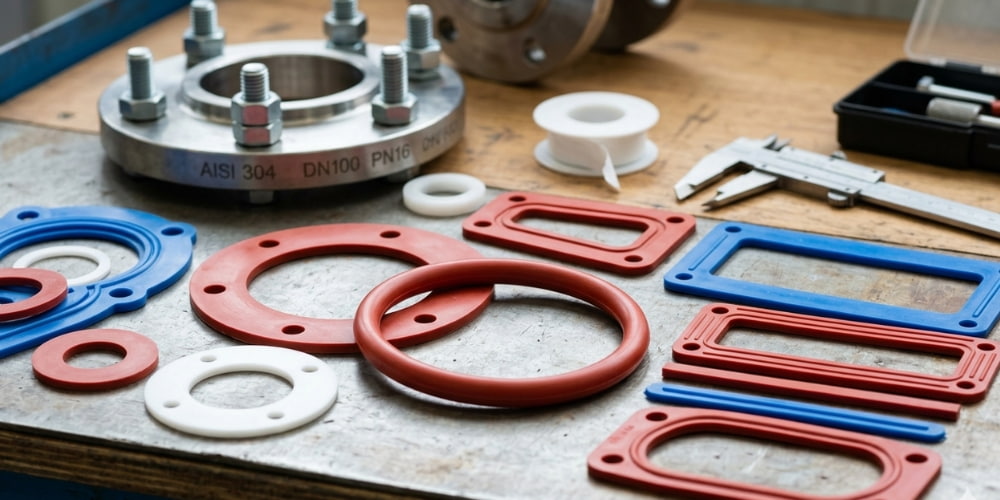
In the world of modern industrial and electronic product design, the smallest components often dictate the success of the entire system. Silicone gaskets are the unsung heroes of this process. Whether the goal is waterproofing, dustproofing, or maintaining seal stability under extreme temperature fluctuations, silicone remains the material of choice for engineers.
This article provides an in-depth look at the characteristics, design cores, and industrial applications of silicone gaskets to help you make precise decisions when planning sealing solutions.
What is a Silicone Gasket?
A silicone gasket is a sealing component made from silicone elastomer. Its core function is to fill minute gaps between two surfaces, effectively blocking liquid or gas leaks while preventing external contaminants from entering the equipment.
Compared to standard natural rubber, silicone offers superior chemical stability, a wider temperature range, and excellent electrical insulation, making it an indispensable part of medical, food processing, and high-end electronics industries.
4 Key Advantages of Choosing Silicone Gaskets
Silicone stands out among elastomers due to its unique physical and chemical properties:
Advantage 1 of Silicone Gaskets:Extreme Temperature Resilience
Silicone can maintain its elasticity and sealing performance in extreme environments ranging from -60°C to 230°C. Even under frequent temperature cycling, the silicone gasket is not prone to degradation or failure, and can sustain stable mechanical properties and sealing effectiveness. This is critical for applications such as automotive engine compartments, electronic thermal management modules, and industrial ovens.
〈Related Article:High-Temperature Silicone: Characteristics, Applications, and Buying Guide〉
Advantage 2 of Silicone Gaskets:Long-term Sealing Stability
Silicone is soft and highly resilient, allowing the silicone gasket to recover its original shape even after prolonged compression. It effectively reduces deformation caused by material fatigue and maintains reliable sealing contact under repeated stress. This low compression set characteristic ensures long-term sealing reliability during continuous operation.
〈Related Article:Key Elements of Waterproof Design! Material, Characteristics, and Applications of Rubber Grommets〉
Advantage 3 of Silicone Gaskets:Weather and Aging Resistance
Unlike ordinary rubber, which is prone to cracking, silicone is highly resistant to UV rays, ozone, and environmental changes. It remains soft and functional even after prolonged outdoor exposure while minimizing performance deterioration caused by environmental factors. This makes it highly suitable for outdoor equipment and long-term applications.
〈Related Article:High-Temperature Silicone: Characteristics, Applications, and Buying Guide〉
Advantages 4 of Silicone Gaskets:Excellent Chemical Stability and Safety
Silicone is chemically inert, meaning it does not easily react with other substances. It is non-toxic, odorless, and features good biocompatibility and high cleanliness. Moreover, it maintains stable performance across various chemical environments, easily meeting stringent standards such as FDA and LFGB, making it widely applicable in medical and food-contact fields.
〈Related Article:Is Silicone Toxic? A Comprehensive Analysis of Silicone Safety〉
What Are the Core Design Techniques for Silicone Gaskets?
Selecting the right material alone is not enough to maximize gasket performance; design and manufacturing processes are equally critical.
Here are the key factors to consider during design:
Material Hardness
The hardness of silicone (Shore A) directly affects compression force and resilience. Different equipment pressure requirements call for materials with corresponding hardness levels.
Compression Ratio and Seal Structure Design
After installation, silicone gaskets undergo compression. The design must accurately calculate the proper compression ratio to ensure sealing performance while preventing premature material fatigue or structural deformation.
Thickness and Contact Surface Design
Consider the structural strength and surface roughness of the equipment when adjusting the gasket’s thickness and contact area.
Manufacturing Techniques
Compression molding is suitable for thick, large silicone parts; liquid silicone rubber injection molding (LSR) is ideal for high-precision, complex-shaped small components; die-cutting is suitable for high-volume, simple flat gaskets.
〈Related Article:How is silicone rubber molded?〉
Main Industries Where Silicone Gaskets Are Used
Silicone gaskets are widely used across industries due to their excellent elasticity, temperature resistance, and chemical stability. From precision equipment to daily products, any application that requires sealing, protection, or cushioning can benefit from silicone. Here are some typical use cases:
Automotive Industry
Commonly used in connector seals, sensor protection, battery module packaging, and shock-absorbing gaskets. Silicone’s exceptional resistance to extreme temperatures ensures structural flexibility in both high-heat engine compartments and extremely cold climates. Its superior shock absorption protects delicate electronic components from vibration damage.
Electronic Devices
In smartphones, wearable devices, communication equipment, and handheld industrial instruments, silicone gaskets are crucial for waterproofing, dustproofing, and shock protection. The silicone gaskets excellent electrical insulation prevents internal electromagnetic interference or short circuits, ensuring operational stability in high-precision devices.
Medical Equipment
Widely used in medical devices, respirator seals, fluid transfer pumps, and laboratory sampling equipment. Medical-grade silicone provides outstanding biocompatibility to prevent allergic reactions. The silicone gasket can also withstand repeated high-temperature sterilization or strong chemical disinfection, meeting strict hygiene standards in medical settings.
Industrial Equipment
Used in large pumps, automated valves, solar panel seals, and industrial piping. Silicone gaskets demonstrate strong chemical corrosion resistance, ozone resistance, and UV aging durability. Even under prolonged outdoor exposure or harsh conditions, they resist cracking and maintain sealing performance, reducing equipment downtime and maintenance costs.
Food-Grade Applications
Common in container sealing rings, water treatment equipment gaskets, kitchen appliances, and baby products. FDA- or LFGB-compliant silicone ensures no harmful substances are released during contact with food or drinking water. It is non-toxic, odorless, and hydrophobic, inhibiting bacterial growth and ensuring the highest hygiene standards.
GSUN’s Silicone Gasket Case Studies
GSUN has extensive experience in the silicone gasket field, accumulating achievements across multiple industries. We have developed ultra-small precision sealing gaskets for renowned wearable device brands, successfully achieving IP68-level waterproofing in extremely constrained spaces. For industrial applications, we have developed large, highly corrosion-resistant silicone components, significantly improving equipment maintenance cycles and operational stability.
We also provide outstanding solutions in smart living and advanced medical fields:
Smart Electronic Locks:
For high-frequency-use electronic locks, we developed silicone gaskets with high resilience and wear resistance. This solution enhances moisture and oil resistance (e.g., fingerprint oils), effectively protecting circuit boards from Taiwan’s humid climate while maintaining precise tactile feedback and sealing performance after hundreds of thousands of pressing cycles.

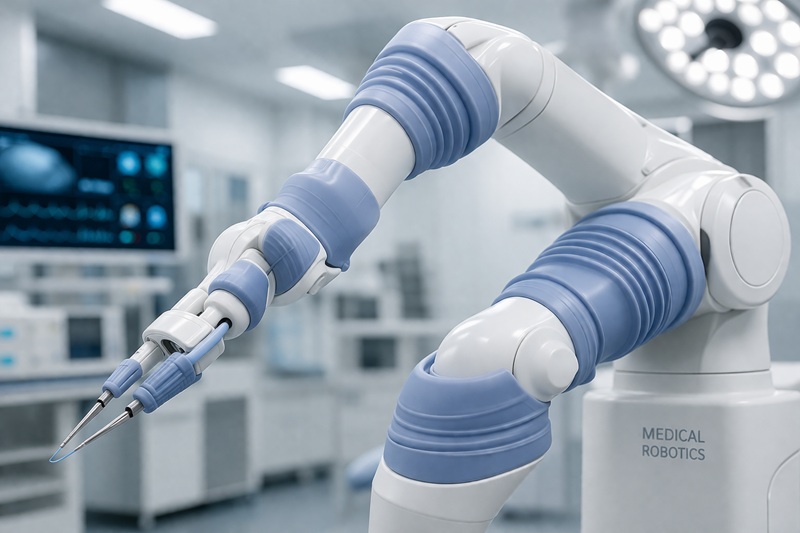
Medical Robotic Arm Applications
We use medical-grade silicone compliant with ISO 10993 and FDA standards, ensuring excellent biocompatibility. These gaskets provide highly stable protection and sea ling under high-frequency surgical movements and repeated high-temperature sterilization, guaranteeing safety and precision in medical operations.No matter how harsh your application environment is—from precision consumer electronics and smart security systems to advanced medical devices—GSUN can provide suitable material formulations and customized technical support.
High-Quality Silicone Gasket Manufacturer: GSUN
As a leading silicone rubber product manufacturer, GSUN possesses a professional R&D team and advanced production equipment. We not only provide standardized products but also specialize in customized development services tailored to client needs. From material formulation and mold design to precision manufacturing, we are committed to offering the most competitive quality and service.
〈Related Article:How to Choose a High-Quality Silicone Manufacturer? 4 Key Evaluation Factors + A Complete Guide to the Collaboration Process〉
Conclusion
Choosing the right silicone gasket is the first step to ensuring product quality and durability. If you are seeking excellent custom silicone gasket capabilities or have any questions regarding sealing design, feel free to contact us and let GSUN be your best partner in product development.
[Contact GSUN Now to Receive Professional Silicone Solutions]

GSUN
GSUN has over 30 years of experience in silicone manufacturing, offering advanced technology and fully integrated in-house production from tooling to delivery. Serving automotive, medical, and industrial sectors, GSUN is ISO-certified and committed to delivering high-quality solutions and industry leadership.
Article Classification
Recent Articles
- Printing on Silicone Parts: Applications, and Printing Methods
- Painting Silicone Technology: Optimizing Color Coverage and Laser Etching Performance
- Comprehensive Guide to Silicone Gaskets: Material Properties, Applications, and Design Essentials
- How to Choose a High-Quality Silicone Manufacturer? 4 Key Evaluation Factors + A Complete Guide to the Collaboration Process
- Is compression molding recommended? Three directions to take you in-depth understanding.